Published on 12 August 2026

Expert guidance on selecting the perfect invoice factoring partner for your business needs
Introduction
Cash flow is the lifeblood of any business. When clients take 30, 60, or even 90 days to settle their invoices, the gap between completing work and receiving payment can create significant financial strain. This is especially true for B2B firms trading with other businesses on credit payment terms.
Invoice factoring can help bridge this gap. It allows businesses to improve cash flow and unlock cash tied up in unpaid invoices, providing an immediate cash injection to keep operations running smoothly.
However, not all Invoice Finance Companies are created equal. Choosing the wrong partner can leave a business owner facing unfavourable terms, hidden costs, and strained business relationships.
As a financial advisor who has guided countless businesses through this process, I've compiled the 10 essential questions you must ask before signing the dotted line.
Understanding Invoice Factoring and Its Impact on Cash Flow: A Brief Overview
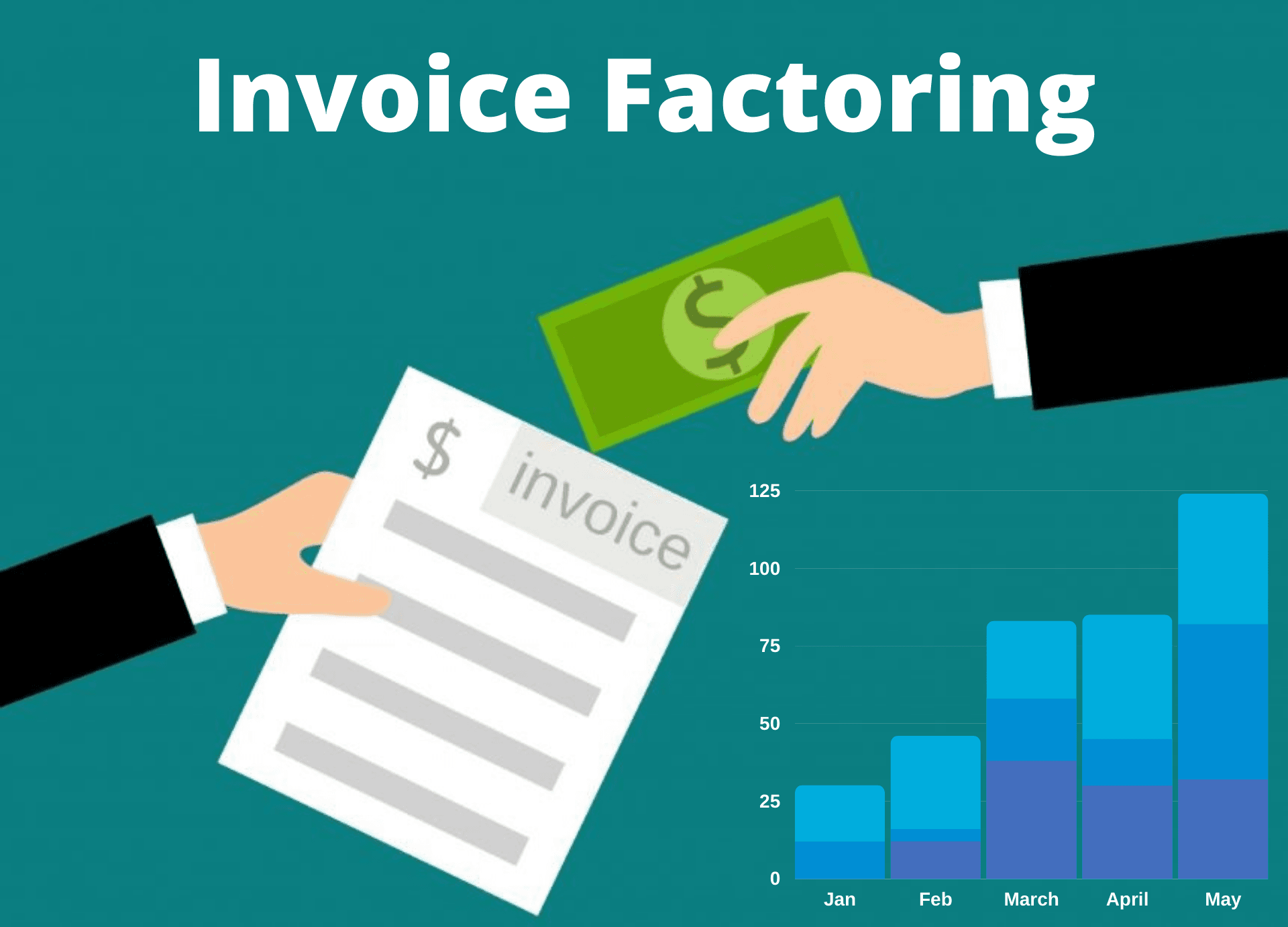
Before diving into the selection process, it's worth clarifying what invoice factoring entails. In this type of invoice finance solution, a business sells its accounts receivable, or outstanding invoices, to a finance provider in exchange for an immediate cash advance.
A factoring company purchases your unpaid invoices at a discount, with the factoring provider advancing 70-90% of the invoice value immediately. Some invoice factoring companies provide up to 95% upfront. Funds are often available within 24 to 48 hours as part of the invoice factoring process. When your client pays the invoice, you receive the remaining balance minus fees.
Understanding how invoice factoring and invoice discounting differ helps when comparing providers.
Unlike a loan, factoring isn't debt—it's the sale of an asset (your invoices). This distinction makes it particularly valuable for growing businesses, supporting business growth, or those with less-than-perfect credit ratings who might struggle to secure traditional financing. See more on our "What is Invoice Factoring" page
Let's explore the critical questions to help you identify the right factoring partner.
1. What Percentage of My Invoice Value Will You Advance?
Advance Rate Explained
The advance rate, the percentage of the invoice value you receive upfront, varies significantly between invoice factoring providers. While the industry average hovers between 70 and 95%, businesses can often receive 80% to 95% upfront depending on the value of your invoices and risk profile. The finance provider advances that sum before the balance is released later.
Negotiating Advance Rates
Ask potential providers about their standard advance rates and whether these can be negotiated based on your trading history, invoice volumes, customer creditworthiness, or client creditworthiness. A higher advance rate means more immediate working capital, though it may come with other trade-offs.
What to look for: The highest advance rate that doesn't compromise other aspects of the agreement, such as fees or contract flexibility.
2. What Is Your Complete Fee Structure and Invoice Factoring Cost?
Fee Structure Overview
Factor fees can be straightforward or surprisingly complex. To weigh the benefits of invoice finance alongside the full fee structure before focusing on the headline rate (typically 1-5% of invoice value), probe for:
- Service fees (commonly around 0.5% to 2% of total revenue)
- Credit check fees
- Minimum monthly fees
- Early termination penalties
- Administration charges
- Electronic transfer fees
Some factors advertise attractively low rates but compensate with hidden charges elsewhere. Providers may also charge an administration fee on top of factoring fees.
Calculating Total Cost
Request a comprehensive breakdown of all potential costs and calculate the total cost of invoice factoring based on your typical invoice patterns. Pricing often depends on customer creditworthiness as well as invoice patterns.
What to look for: Transparency is key. The most competitive rate isn't always the best if it comes with numerous additional charges.
3. Do You Offer Recourse or Non-Recourse Factoring?
Recourse vs Non-Recourse
With recourse factoring, you remain responsible if your client doesn't pay. If a customer fails to settle the invoice, you may have to repay the advance. Non-recourse factoring protects against client insolvency, including “bad debt” protection within the service, with more of the credit risk shifting to the provider.
Non-recourse factoring typically commands higher fees but offers valuable peace of mind, particularly when dealing with new or financially uncertain clients.
Understanding the Fine Print
Read the small print carefully—most non-recourse agreements specify covered circumstances (usually insolvency) and exclude disputes where clients refuse to pay for other reasons. This is one example of the difference between invoice factoring and invoice discounting, with debt factoring often costing more because the provider takes on collections and more credit control.
What to look for: The option that aligns with your risk tolerance and confidence in your client's ability to pay.
4. What Is Your Approach to Collecting from My Clients?
Collection Process
The factoring company typically manages the sales ledger, credit control process, and collecting payment from customers when you factor an invoice. The factoring provider’s approach to this process can significantly impact your client relationships.
Communication and Client Relationships
Ask how they identify themselves when contacting your clients, what their escalation procedures are for overdue payments, and whether you can review communications before they're sent. In many arrangements, the provider collects payment directly, so customer payments go to the factor and funding is settled once customers pay under the agreed terms. This means customers may know you are using factoring services.
Some factors operate invisibly, presenting themselves as your company's finance department, while others identify as third-party collectors.
What to look for: A payment collection approach with clear credit control that protects customer relationships while handling late payments and chasing payments professionally.
5. What Contractual Commitment Do You Require?
Contract Terms
Contractual terms vary dramatically across the industry. Some factors insist on multi-year contracts with substantial early termination fees, and some providers also set a minimum contract period. Others offer rolling monthly arrangements with reasonable notice periods.
Eligibility can also depend on the spread of your customer invoices. Businesses with only a few customers may find some providers less flexible.
Flexibility and Future Needs
Think carefully about how you will implement invoice factoring in your business. Consider how your factoring needs might evolve as your business grows. If you're testing factoring as a financing solution, prioritise flexibility. If you're weighing other options too, check whether alternatives such as overdrafts require a business bank account. A longer contract might secure more favourable rates if you're confident in your long-term needs.
What to look for: Terms that align with your strategic plans without locking you into arrangements that could become restrictive.
6. What Industries and Types of Invoice Finance Do You Specialise In?
Industry Specialisms
Factoring companies often develop expertise in specific sectors. A factor with experience in your industry will better understand your payment cycles, businesses trading on credit terms, client dynamics, and everyday challenges, including sector-specific payment cycles.
Common Specialisms Include:
- Invoice finance facilities for the construction sector
- Temporary recruitment & permanent recruitment
- Spot factoring for occasional large invoices
Case studies such as factoring-fuelled growth in the hospitality industry show how sector knowledge can shape the right facility. An invoice finance facility to the construction sector can also be tailored to different stages of growth and sector-specific needs.
Comparing Factoring Structures
Some providers also offer spot factoring as a flexible option for occasional large invoices rather than a whole-ledger arrangement. It’s worth comparing invoice discounting vs factoring when deciding what structure you need.
Specialist factors may offer more competitive rates because they can assess risk more accurately within their area of expertise. They might also provide valuable industry insights and connections.
What to look for: A factor with a proven track record in your sector, evidenced by client testimonials and case studies, and by strong service standards when supporting client businesses.
7. How Quickly Will I Receive Funds After Submitting Invoices?
Funding Timeline
The timing of fund transfers is crucial, particularly if you're using factoring to meet specific obligations like payroll. Many providers release funds from invoice finance within 24 hours, while others take 24 to 48 hours of invoicing depending on checks, submission timing, and how they handle invoice payments.
Typical Steps to Receive Funds:
- Submit your invoices to the factoring provider.
- Provider reviews and verifies the invoices.
- Funds are advanced to your account (often within 24-48 hours).
- Remaining balance is paid after your client settles the invoice, minus fees.
While many factors advertise "same-day funding," that's often a marketing claim rather than the standard experience. Verify whether funds are more typically available within 24 hours of invoice generation and whether extra fees apply.
Processing Details
Clarify the cut-off times for same-day processing and whether weekends or bank holidays affect payment schedules. Also, ask whether they process small batches of invoices as frequently as larger ones.
What to look for: Consistent, predictable funding timelines that align with your cash flow needs.
8. What Technology Do You Use to Streamline the Process?
Technology and Platform Features
The administrative burden of factoring varies significantly between providers. Leading Factors offer intuitive online platforms where you can:
- Upload invoices
- Track payments
- Generate reports
This can be especially valuable if you are using factoring as part of a broader business recovery strategy.
Some also offer invoice discounting facilities for businesses that want to keep the invoicing process and customer communication in-house. With invoice discounting, this is typically more confidential because you retain control of collections and credit management.
System Integration
Request a demonstration of their system and evaluate its user-friendliness. Consider how it will integrate with your existing accounting software and whether it offers mobile accessibility for on-the-go management.
What to look for: Modern, intuitive systems that minimise administrative overhead and provide real-time visibility of your factoring activity.
9. How Do You Assess My Clients’ Creditworthiness?
Credit Assessment Process
Factors assess the creditworthiness of your clients before agreeing to purchase invoices. Understanding their evaluation process helps you anticipate which invoices might be rejected.
Key Elements of Credit Assessment:
- Credit checking procedures
- Determining credit limits
- Regular review of credit limits
- Providing credit insights to help you make informed decisions
Some factors provide valuable credit insights that can help you make informed decisions about extending credit to new clients.
What to look for: Rigorous but reasonable credit assessment processes that protect both parties without unnecessarily restricting your business opportunities.
10. How Do You Handle Disputes Between My Company and Clients?
Dispute Resolution Procedures
Invoice disputes are an unfortunate reality of business. When they occur, your factor's approach can help resolve matters swiftly or exacerbate tensions.
Typical Dispute Handling Steps:
- Factor identifies the disputed invoice
- Communication with both parties to clarify the issue
- Determining if the dispute affects advance rates or incurs additional fees
- Providing mediation support if available
Ask potential factors how they handle situations where clients withhold payment due to disputes about goods or services. Determine whether disputed invoices affect your advance rates or incur additional fees and whether the factor provides any mediation support.
What to look for: Clear procedures that protect your interests while maintaining professional client relationships.
Conclusion
Selecting the right invoice factoring company impacts your daily operations, client relationships, and, ultimately, your bottom line. By asking these ten essential questions, you'll gain the insights needed to make an informed choice.
Remember, the best factoring relationship is a partnership, not just a transaction. Look beyond headline rates to find a factor that understands your business, offers transparent terms, and provides the support you need to grow with confidence.
As with any financial decision, consider consulting with your accountant or financial advisor to ensure the arrangement aligns with your business strategy. Compared with traditional loans from banks and other financial institutions or working with a specialist business loan broker, utilising invoice finance through the right invoice finance provider can be a practical commercial finance option for many SMEs, with some industry data reporting a 76% success rate for applications across financial institutions. You can transform unpaid invoices from a cash flow challenge into a strategic advantage with the right factoring partner, especially when you stay informed about wider business finance options and market developments.