
Published on 12 August 2026

Understanding interest rates on bridging loans is crucial for UK SME owners, property investors, and brokers or lenders considering short-term property finance. In most cases, bridging loan rates range from 0.5% to 2% per month — roughly 6% to 24% on an annual equivalent basis — and the rate you secure will depend on the loan-to-value, your exit strategy, borrower profile, and how straightforward or complex the deal is.
Unlike traditional mortgages with annual percentage rates, bridging loans operate on a monthly interest basis, so understanding how that monthly pricing works is central to judging the true cost of fast, time-sensitive finance. This guide explains how bridging loan interest is calculated, what pushes rates up or down, how first and second charge loans are priced, where fees and repayment structures affect total cost, and what to look for when comparing fixed versus variable deals, speed premiums, regional differences, negotiation options, and likely rate trends.
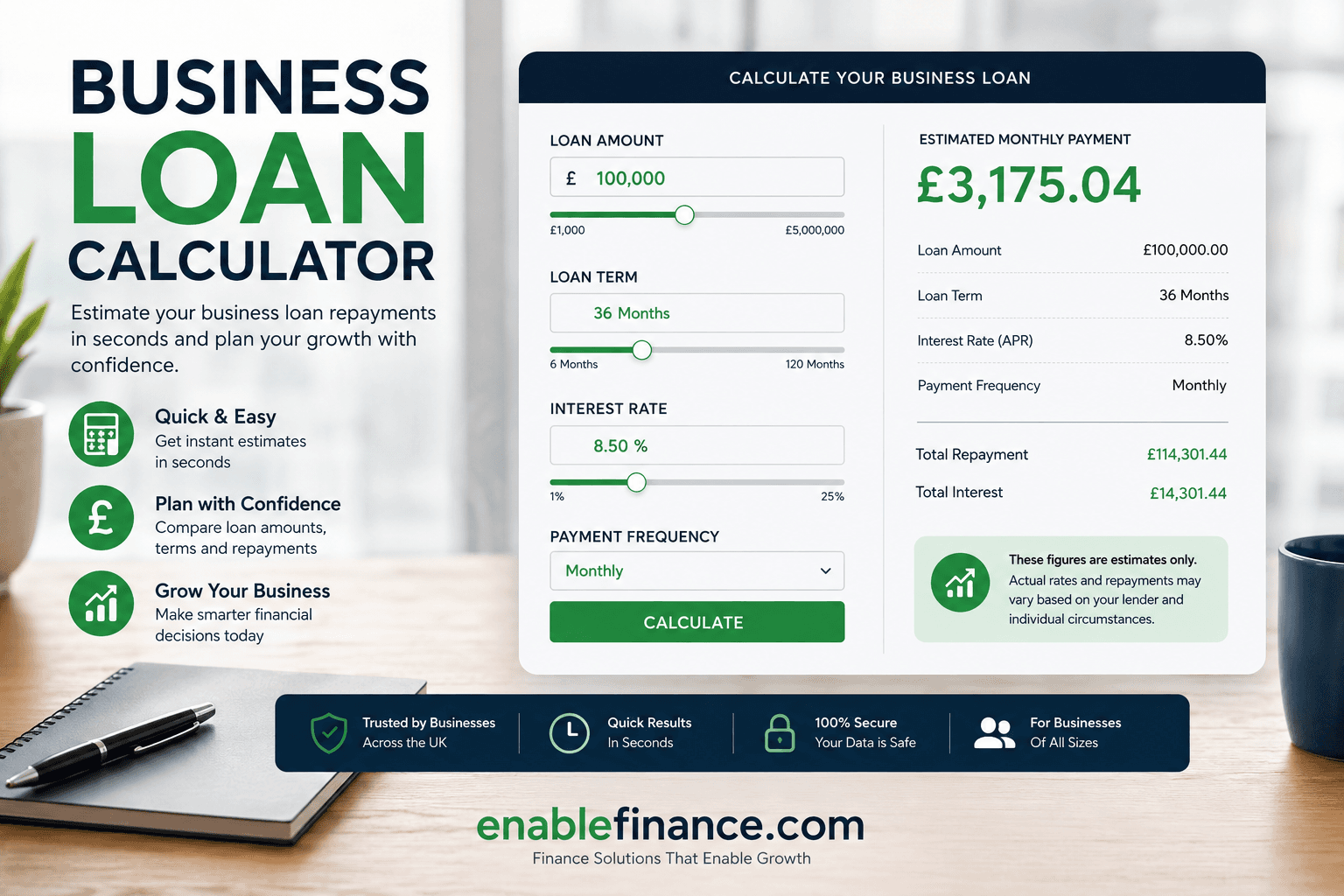
Bridging loan interest rate calculator
Interest-only calculator
Simulate payments, rates, and cash-flow impact.
Example estimate: £250,000 over 12 months at 12.0% per month ≈ £30,000/month interest-only (illustrative).
Qualifying criteria
Estimated monthly interest
£30,000
Interest-only; principal typically repaid at exit.
Illustrative quotes only. Actual rates confirmed at underwriting. Enable Finance does not provide regulated financial advice.
Current Market Landscape
The bridging loan market remains competitive, with rates typically ranging from 0.5% to 2% per month. This translates to annual equivalent rates of approximately 6% to 24%, though these calculations can be misleading since bridging loans are designed for short-term use.
The wide rate variation depends on several factors, including the loan-to-value ratio, exit strategy strength, borrower experience, and the complexity of the transaction. Prime borrowers with straightforward scenarios can secure rates at the lower end, whilst more complex or higher-risk situations command premium pricing.
How Monthly Interest Works
Monthly interest calculation differs significantly from annual mortgage rates. If you borrow £500,000 at a 1% monthly interest rate, the monthly interest charge on the outstanding balance is £5,000, so when interest is charged monthly the annualised cost can exceed 20% if compounded. Over six months, this totals £30,000 in interest charges – a substantial sum that emphasises the importance of having a clear exit strategy.
Most lenders offer the option to "roll up" interest, meaning you don't pay interest monthly. Some also use retained interest, where borrowers do not make monthly interest payments and the interest is repaid at the end of the loan term. Instead, interest is added to the loan balance and repaid when you repay the loan. Some lenders also let you pay bridging loan interest only for the period funds are actually outstanding or drawn, where the facility is released in stages. This facility is particularly valuable when you're not yet generating income from the financed property and need fast business bridging loans to keep cash flow stable.
Factors Affecting Your Rate
Bridging loans are short term secured loans that typically run from 30 days to 18 months, and the minimum loan term is often one month, so it’s important to understand what a bridging loan is and how it works before committing.
Loan-to-Value Ratio: Lower loan to value (LTV) ratios typically secure better rates. Borrowing 60% of the property's value will generally be cheaper than borrowing 75%, as lower leverage usually reduces lender risk.
Exit Strategy: A well-defined bridging loan exit strategy can reduce lender risk and improve pricing. A clearer loan exit plan, such as a confirmed property sale completion date, will usually secure better rates than an uncertain market sale.
Security Quality: Prime London properties may secure better rates than regional commercial premises, reflecting differences in liquidity and marketability. Property type and condition also affect pricing, and commercial properties or assets in poor condition typically attract higher rates. Most bridging loans require property as security, although there are important distinctions between secured and unsecured business bridging loans that affect pricing and eligibility.
Borrower Profile: Experienced property investors with proven track records often secure preferential rates compared to first-time bridging borrowers, while credit history can still influence lender flexibility and pricing. This is debt secured against the asset, so missed repayments can put the property at risk. Borrowers seeking regulated bridging loans may also face slightly higher costs because of the added regulatory requirements.
Deal Complexity: Straightforward transactions typically yield better prices than complex structures involving multiple properties or intricate legal arrangements.
First Charge vs Second Charge Pricing
First charge bridging loans are a secured loan backed by the property, and because the lender takes primary security they typically offer better rates than second charges across both open and closed bridging loans. This reflects the reduced risk of a priority position in the event of default.
Second charge loans sit behind an existing mortgage, creating additional risk that's reflected in higher pricing. However, they offer flexibility when you can't or don't want to discharge existing lending.
Closed bridging loans have a guaranteed repayment date, while open bridging loans do not have a set repayment period.
Speed Premium
The rapid processing that defines bridging loans comes at a cost. Some products can be arranged within 48 hours, so borrowers who need to get a bridging loan quickly often pay premium rates for the specialist underwriting teams, expedited legal processes, and risk appetite required for fast decisions.
This "speed premium" is often justified when compared to the costs of losing time-sensitive opportunities. Missing a property auction or having a purchase fall through is a common reason to use a bridging loan, because the extra interest can cost less than losing the purchase altogether, especially when using bridging loans to buy property below market value.
Regional Variations
Interest rates can vary by location, reflecting different risk perceptions and market conditions. London and South East properties often secure the keenest rates due to their liquidity and strong value performance.
Regional properties, particularly in areas with slower markets or higher vacancy rates, may face rate premiums reflecting the additional exit risks lenders perceive.
Arrangement Fees and Total Cost
Beyond monthly interest, bridging loans also come with other costs, with arrangement fees typically ranging from 1% to 3% of the loan amount as part of the wider bridging loan cost and overall cost. For most applications, valuation fees are also required and can cost roughly £400 to £3,000 depending on the property. When comparing lenders, consider how these charges shape the loans cost, not just the monthly rate.
A lender offering 1.2% monthly interest with a 2% arrangement fee might be more expensive than one charging 1.3% monthly with a 1% arrangement fee, depending on your borrowing period and broader finance and business market conditions. Some lenders also apply exit fees, often around 1% of the loan amount, although these may be waived. Over even a short term, bridging loan fees and other loan fees can materially change what you actually pay.
Borrowers should also account for upfront fees and end-of-loan charges, including a redemption administration fee, when reviewing the full cost.
Interest-Only vs Capital Repayment
Most bridging loans operate on an interest-only basis during the loan term, with borrowers receiving a lump sum upfront and the capital repaid on exit rather than through monthly capital reduction. This structure keeps monthly outgoings manageable and means interest repaid is often settled at the end, aligning with the short-term nature of bridging finance, though borrowers should check whether early repayment charges apply if the loan is redeemed sooner than expected.
Some lenders offer capital repayment options, but these are rarely used, given the temporary nature of bridging loans. Instead, some borrowers pay interest through monthly interest payments, while others use retained interest or roll-up structures that add interest to the loan balance. If the exit is delayed, loan extensions can also trigger extra costs or penalty pricing.
Negotiating Better Rates
Several strategies can help secure better rates:
Strong Professional Team: Using experienced solicitors and surveyors familiar to lenders can improve terms.
Clear Documentation: Well-prepared applications with comprehensive exit strategies demonstrate professionalism.
Relationship Banking: Established relationships with lenders or brokers can unlock preferential pricing, and loan brokers or a good bridging loan broker may help negotiate sharper terms. Working with the best business loan broker for your needs can also help structure the deal around your circumstances.
Timing: Market conditions fluctuate, and timing your application during competitive periods can secure better rates.
It also helps to compare bridging loans across multiple lenders rather than relying on one quote, ideally using a specialist business loan broker platform that can access a wide panel of lenders.
Variable vs Fixed Rates
Most bridging loans carry variable rates linked to Bank of England base rates or lender margins. In volatile interest rate environments, this creates uncertainty about total borrowing costs.
Some lenders offer rate caps or fixed-rate products for longer-term bridging loans, providing cost certainty at a premium. These products are suitable for borrowers with extended exit timescales or those in a rising-rate environment, or who may ultimately refinance onto a commercial mortgage once the project stabilises.
Cost Comparison Tools
When evaluating bridging loans, use a bridging loan calculator to estimate the total borrowing cost over your anticipated term. A slightly higher monthly rate with lower arrangement fees may prove more cost-effective for longer-term bridging requirements.
Always request written quotations that show all the costs and costs involved, including legal fees, the lender's legal fees, broker fees, valuation fees, any repayment fees, and how the gross loan amount or gross loan compares with the net loan. This enables accurate comparison between different lenders and products.
Seeing the loan advance in the quote helps borrowers understand the actual funds received after deductions.
Future Rate Trends
The bridging loan market remains competitive, with new bridging lenders entering the market regularly. This competition generally benefits borrowers through better rates and improved service standards, whether you need residential bridge loans when moving house or short-term funding for property development projects.
However, regulatory changes, economic uncertainty, and base rate movements can all impact pricing. Working with experienced brokers helps navigate these market dynamics and secure optimal terms for your specific requirements. Terms can range from a few weeks to up to 24 months depending on the lender and case type, and regulated bridging loans may carry slightly different pricing considerations than unregulated cases.
Understanding bridging loan interest rates requires looking beyond headline monthly percentages to consider total costs, timing, and the value of speed and flexibility these products provide. In some situations, a personal loan may also be considered as an alternative depending on the purpose and amount needed. When used correctly with proper professional guidance, the costs can be justified by the opportunities they unlock.